How to Draw Better: 7 Beginner Tips That Actually Work
Everyone starts as a beginner — even your favorite artists were once making wobbly circles and crooked lines. The difference between “I can’t draw” and “I can draw” is not talent. It is a handful of simple habits that make learning faster and way more fun. Here are seven tips that really work, and you can try most of them in five minutes today.
1. Draw lightly first
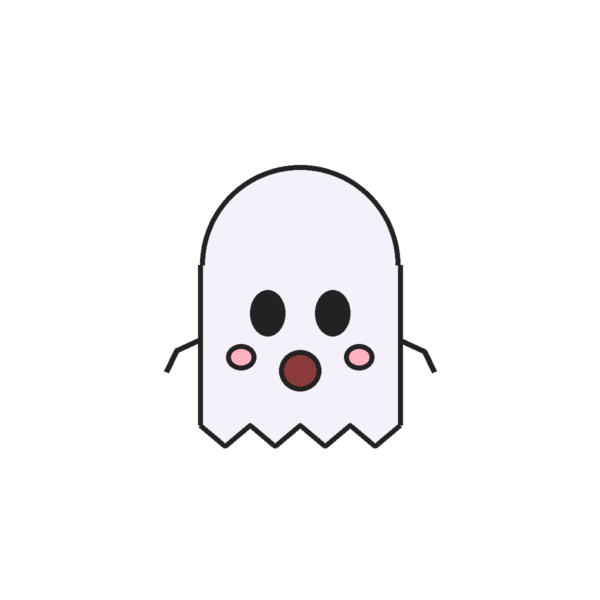
Pressing hard is the #1 beginner mistake. When you draw lightly, your lines are easy to erase, easy to adjust, and you can fix things without tearing up the paper. Think of your first lines as a whisper, not a shout — you can always go darker later once the drawing looks right. Try the How to Draw a Ghost tutorial and do the whole thing with the lightest lines you can manage. You will be amazed how much calmer it feels.
2. Start with simple shapes
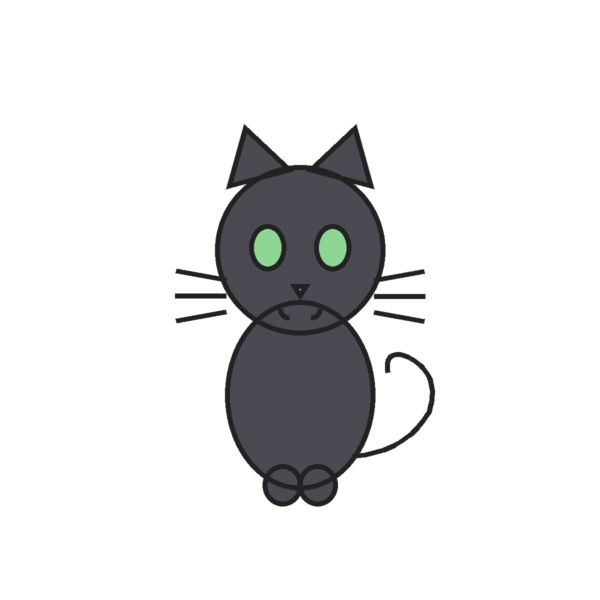
Almost everything in the world is built from circles, ovals, triangles, and rectangles. A pumpkin is an oval with lines. A bat’s wings are curved triangles. A cat is circles stacked together. When you look at a “hard” drawing and spot the simple shapes inside it, it suddenly feels doable. The How to Draw a Black Cat tutorial is a perfect example — watch how the whole cat starts as basic circles.
3. Follow the red line — one step at a time
Our step-by-step system uses the red-line method: the new lines in each step are drawn in red, while the lines you already drew fade to grey. That means you never have to guess “wait, what am I supposed to draw now?” — just copy the red lines and move on. It is like connect-the-dots for real drawings. Try it with the How to Draw a Pumpkin tutorial and see how natural it feels.
4. Practice a little bit every day
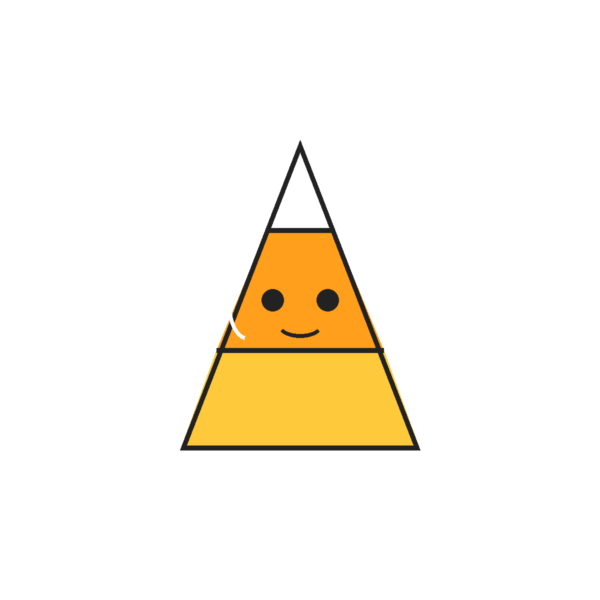
Fifteen minutes a day beats three hours on a Saturday. Drawing is a muscle — short, regular practice builds it much faster than occasional marathons. Pick one short tutorial each day: How to Draw a Candy Corn takes only 3 minutes, so there is no excuse on busy days. After two weeks, compare your first drawing with your latest one. The improvement will shock you.
5. Finish before you judge
Every drawing looks weird halfway through. Every. Single. One. Beginners often stop at step 3 because “it looks bad” — but step 3 is supposed to look bad! It is just shapes. The magic happens when you finish the last step and add the details. Promise yourself you will complete the whole tutorial before deciding whether you like it. You will throw away far fewer drawings.
6. Copy, copy, copy
Copying tutorials is not cheating — it is how you learn. Musicians play other people’s songs. Writers study other people’s sentences. When you copy a tutorial, your hand is learning where lines go and how shapes fit together. After you have copied enough pumpkins, ghosts, and spiders, you will start drawing your own versions without thinking about it. That is how artists are made.
7. Celebrate the ugly drawings
Your sketchbook will fill up with drawings you do not love, and that is exactly how it should be. Every “bad” drawing taught you something — what a wrong line looks like, how not to draw an ear, that you pressed too hard. Keep your old drawings instead of throwing them away. In a month, flip back to page one and see how far you have come. That is the best motivation there is.
Your five-minute challenge
Here is all of this advice packed into one tiny challenge: grab a pencil, draw as lightly as you can, and follow the ghost tutorial from start to finish without judging it until it is done. Then do it again tomorrow with the pumpkin. Two drawings, two days, and you will already be drawing better. That is not a trick — that is how practice works. See you at step one!